Cheapest eSIM for International Travel (2026): How to Find the Best Budget Data Plan
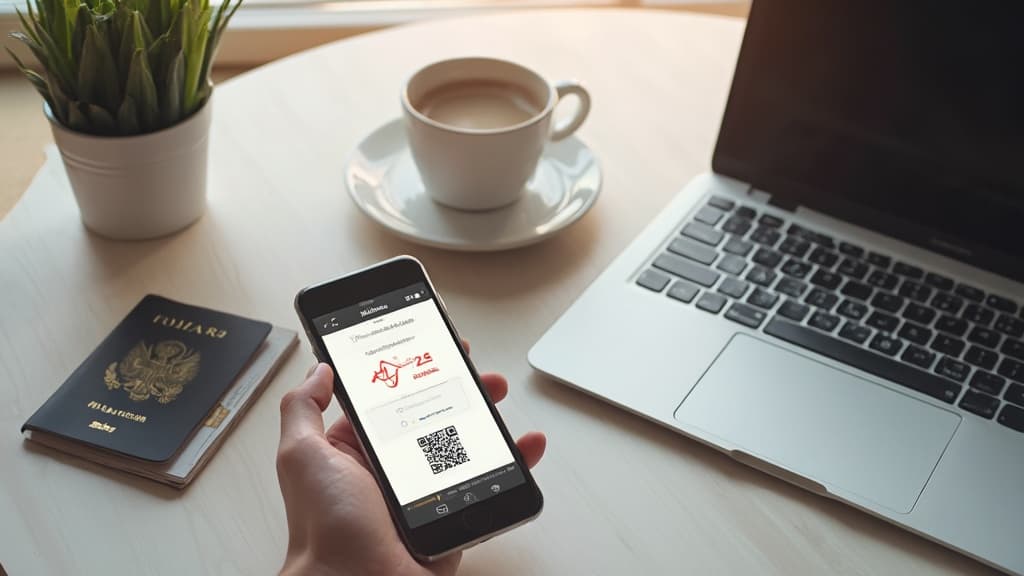
Cheapest eSIM for International Travel (2026): How to Find the Best Budget Data Plan
Staying connected abroad does not have to mean paying roaming fees or hunting for a SIM shop after a long flight. In 2026, eSIM plans are widely available, easy to activate, and often cheaper than traditional travel SIMs if you know how to compare them.
This guide shows you how to find the cheapest eSIM for international travel without falling into the common traps (tiny data caps, short validity windows, throttled speeds, or plans that look cheap but become expensive fast).
What “cheapest” really means for travel eSIMs
A plan that is cheapest upfront is not always cheapest per gigabyte or cheapest for your actual trip. Before you buy, define what “cheap” means for you:
- Cheapest for light use: maps, messaging, email (1-3 GB)
- Cheapest for normal travel: social media, browsing, some video (5-10 GB)
- Cheapest for digital nomads: frequent hotspot, calls, heavy work (10-20+ GB or unlimited)
The 4 cost metrics you should compare
- Price per GB
- Great for most travelers.
- Total price for your trip length
- A 7-day plan can look cheap until you need to renew twice.
- Validity period (days)
- Short validity is the #1 reason “cheap” plans end up costing more.
- Network quality and speed policy
- Some “unlimited” plans are capped at high-speed data, then throttled.
Typical eSIM price ranges in 2026 (quick reality check)
Prices vary by destination and provider, but these rough ranges help you spot a deal (or a scam):
- Regional plans (Europe / Asia / Latin America): usually the best value for multi-country trips.
- Single-country plans: often cheapest per GB if you stay in one place.
- Global plans: convenient, but frequently higher cost per GB.
As a rule:
- If you see a plan that is dramatically cheaper than competitors, check the fine print: limited networks, very short validity, or strict throttling.
Cheapest eSIM strategy: follow this 6-step checklist
1) Decide: country plan vs regional plan
- Choose single-country if you stay in one country for 7+ days.
- Choose regional if you cross borders (even 2 countries). It usually saves money and hassle.
2) Estimate your data (realistically)
Use this simple estimate:
- Light: 1-3 GB / week
- Normal: 3-7 GB / week
- Heavy / nomad: 8-15+ GB / week
Budget tip: if you will have reliable hotel or coworking WiFi, you can usually cut your mobile plan size by 30-60%.
3) Check your phone supports eSIM
Most modern devices support eSIM, but confirm before buying.
- iPhone: iPhone XS and newer (US iPhone 14+ may be eSIM-only)
- Android: most flagship Samsung/Pixel devices, many newer mid-range phones
If you see an EID in your settings, you are usually good to go.
4) Compare the hidden cost drivers
When two plans look similar, these details decide the real winner:
- Validity window (7/15/30 days)
- Top-up cost (can you extend without buying a new plan?)
- Supported network(s) (one local carrier vs multiple)
- 5G availability (and whether it costs extra)
- Hotspot/tethering allowed (important for laptops)
- Activation timing (starts on install vs starts on first network connection)
5) Install before you travel, activate when you land
For most providers, you can install the eSIM profile at home and set it to start only when it connects in the destination country. This is the sweet spot for budget travelers:
- You avoid airport WiFi stress.
- You get connected instantly on arrival.
- You still keep the full validity period.
6) Keep a “backup plan” mindset
If your trip is important (work trip, remote work, multiple countries), consider buying:
- A small plan for Day 1 connectivity (1 GB)
- A larger plan after you confirm network performance
It is often cheaper than buying one big plan that ends up being slow in your neighborhood.
The cheapest eSIM options by travel style
A) Cheapest for weekend trips (2-4 days)
Look for:
- 1-3 GB plans
- 7-day validity
- easy activation
Avoid:
- “30-day only” plans that cost more than you need
- unlimited plans if you only need maps + messaging
B) Cheapest for a one-country vacation (7-14 days)
Look for:
- 5-10 GB
- 15-day validity (or 30-day if pricing is close)
This is where single-country plans often beat regional plans on price per GB.
C) Cheapest for multi-country Europe trips
Europe is the classic use-case for a regional plan.
Look for:
- one plan that covers all the countries on your itinerary
- 10-20 GB if you use lots of navigation and social media
Budget win: you avoid buying a new plan every border crossing.
D) Cheapest for digital nomads (remote work + hotspot)
Nomads should optimize for reliability per dollar, not just the lowest sticker price.
Look for:
- 15-30 day validity
- tethering allowed
- stable network partners
- clear high-speed limit on “unlimited” plans
Pro tip: if you need video calls, choose a plan with strong 4G/5G coverage and avoid unknown networks even if the plan is slightly cheaper.
How to avoid the most common “cheap eSIM” mistakes
Mistake 1: Buying a plan that starts counting days immediately
Some providers start validity at installation time. If you install a week early, you waste time. Always confirm whether validity starts:
- on installation
- on activation
- on first connection in destination (best)
Mistake 2: Falling for “unlimited” without reading the cap
Many unlimited plans include:
- a high-speed allowance (example: 1-3 GB/day), then throttled speeds
- restrictions on hotspot
If you need predictable speeds, a fixed data plan can be cheaper and better.
Mistake 3: Ignoring local network partners
If a budget plan only uses one carrier with weak coverage where you are staying, you may end up buying a second plan. That is the opposite of cheap.
Mistake 4: Not saving your QR code / activation details
Even though eSIM is digital, treat setup like a boarding pass:
- save the QR code
- screenshot instructions
- keep access to the email
Budget connectivity tips that make any eSIM cheaper
- Download offline maps (Google Maps offline areas)
- Turn off background refresh for heavy apps
- Use WiFi calling when available
- Disable auto-play video on social apps
- Set low data mode on iOS/Android
- Use hotspot only when needed
A 10-minute settings tune-up can save you from buying extra top-ups.
Quick setup: how to install a travel eSIM (iPhone + Android)
iPhone
- Settings -> Cellular -> Add eSIM
- Use QR Code (or carrier app)
- Label it (example: “Travel Data”)
- Set Cellular Data to the eSIM
- Keep your primary SIM for calls/SMS (optional)
Android (general)
- Settings -> Network & Internet -> SIMs
- Add eSIM -> Scan QR
- Turn on the eSIM
- Set it as your preferred data SIM
If you have dual SIM, keep your main line active but turn off data roaming on it to avoid surprise charges.
FAQ: Cheapest eSIM for international travel
Is an eSIM always cheaper than roaming?
Almost always, yes. Roaming can be convenient, but daily roaming passes add up quickly. An eSIM plan is typically the cheapest option for data unless your home carrier has an unusually good travel package.
Are airport eSIM kiosks a good deal?
They are convenient, but rarely the cheapest. Buying online before you travel usually saves money.
Should I buy global, regional, or local?
- Global: best for convenience, usually highest cost per GB
- Regional: best for multi-country trips
- Local (single-country): best value if you stay in one country
Final takeaway
The cheapest eSIM for international travel is the one that matches your trip length, data usage, and destination coverage. Start by choosing single-country vs regional, then compare validity and price per GB, and always check whether hotspot is allowed if you travel with a laptop.
If you want a simple rule: single-country for longer stays, regional for multi-country trips, and avoid “unlimited” unless the high-speed cap is clearly stated.
Need help picking a budget plan for your destination? eSIM Station is here to make travel connectivity simple.
Related Articles
Southeast Asia eSIM Guide
Discover how to stay connected across Southeast Asia with the best eSIM options for travelers and digital nomads.
eSIM vs Physical SIM: Complete Comparison
As travelers increasingly seek seamless connectivity solutions, the debate between eSIM technology and traditional physical SIM cards has become more relevant than ever. This comprehensive comparison covers compatibility, cost, convenience, security, and travel-specific considerations to help you choose the best option for your needs.

How to Use Your Travel eSIM as a Hotspot in 2026: A Practical Guide for Travelers and Digital Nomads
Can you use a travel eSIM as a hotspot? This 2026 guide explains tethering, setup, data usage, and practical hotspot tips for travelers and digital nomads.