eSIM vs Physical SIM Card: The Complete Comparison for 2026
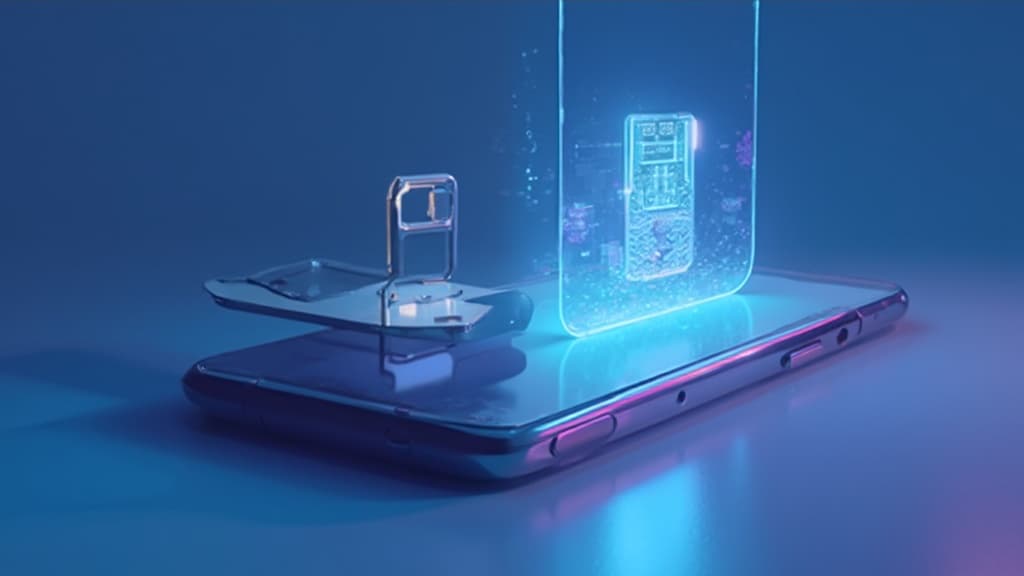
eSIM vs Physical SIM Card: The Complete Comparison for 2026
The humble SIM card has been a staple of mobile phones for over 30 years. That tiny chip has connected billions of people around the world - but its days might be numbered.
eSIM (embedded SIM) technology is rapidly replacing the traditional physical SIM card. Apple dropped the SIM tray entirely from US iPhone models starting with the iPhone 14, and other manufacturers are following suit. But is eSIM actually better, or is it just change for the sake of change?
Let's break it down.
What Is a Physical SIM Card?
A physical SIM (Subscriber Identity Module) card is a small removable chip that stores your subscriber information and connects your phone to a mobile network. Over the years, it's shrunk from the size of a credit card to today's nano-SIM, but the concept remains the same: pop it in, connect to a network.
Physical SIM key features:
- Removable plastic chip (nano-SIM is the current standard)
- Stores subscriber identity, contacts, and network authentication
- Easy to swap between devices
- Available at carrier stores, airports, and convenience stores worldwide
- Works in virtually every phone made in the last 20 years
What Is an eSIM?
An eSIM is a SIM that's permanently embedded in your device. Instead of inserting a physical card, you download a carrier profile digitally - usually by scanning a QR code or through an app. The chip is soldered directly onto your phone's motherboard.
eSIM key features:
- Built into your device (no removable card)
- Carrier profiles downloaded over the internet
- Can store multiple profiles simultaneously
- Activated in minutes without visiting a store
- Supported by most flagship phones since 2018
Head-to-Head Comparison
Convenience
eSIM wins decisively.
With eSIM, you can activate a new mobile plan from your couch in under 5 minutes. No driving to a carrier store, no waiting for a SIM to arrive in the mail, no fumbling with a SIM ejector tool.
For travelers, the difference is even more dramatic. Instead of hunting for a SIM vendor at the airport after a 12-hour flight, you can have your destination's data plan ready before you even board your plane.
Physical SIM requires a trip to a store or waiting for delivery. You need that tiny pin tool (or a paperclip if you've lost it, like everyone does). And if you're switching between plans frequently, you're juggling multiple tiny cards that are incredibly easy to lose.
Winner: eSIM ✅
Device Compatibility
Physical SIM still has the edge - but it's shrinking fast.
Every phone on the market accepts a physical SIM (except US iPhone 14 and newer). Budget phones, feature phones, old phones - they all have a SIM slot.
eSIM support has grown enormously but isn't universal yet:
- Apple: iPhone XS/XR and newer (all models)
- Samsung: Galaxy S20 and newer, Galaxy Z series, select A-series
- Google: Pixel 3 and newer
- Other: Most flagship devices from Motorola, OnePlus, Xiaomi, and others
If you bought a mid-range or flagship phone in the last 2-3 years, chances are it supports eSIM. But if you're using a budget device or an older model, physical SIM is your only option.
Winner: Physical SIM (for now) ✅
Travel & International Use
eSIM is a game-changer for travelers.
This is where eSIM truly shines. Here's what international connectivity looks like with each:
With Physical SIM:
- Land at your destination
- Find a SIM vendor (airport kiosk, convenience store, or carrier shop)
- Wait in line
- Show your passport for registration (required in many countries)
- Remove your home SIM (hope you don't lose it)
- Insert the new SIM
- Wait for activation
- Repeat when you visit the next country
With eSIM:
- Buy a plan online before your flight
- Scan the QR code
- Land and enable the eSIM
- You're connected
eSIM also lets you keep your home number active on your physical SIM while using local data through the eSIM - true dual-SIM convenience without carrying two phones.
For multi-country trips, you can buy regional eSIM plans (like a Europe-wide plan) that work across borders without any SIM swapping.
Winner: eSIM ✅
Cost
It depends on your situation.
The eSIM itself doesn't cost anything extra - it's built into your phone. eSIM plans from providers like eSIM Station are often competitive with or cheaper than physical SIM options, especially for travelers.
However, physical SIM cards from local vendors in some countries can be extremely cheap (think $2-3 for a prepaid SIM in Southeast Asia). eSIM plans for the same destinations might cost a bit more due to the convenience premium.
For domestic use, pricing is essentially the same whether you use eSIM or physical SIM with your regular carrier.
Winner: Tie 🤝
Security
eSIM has a security advantage.
Physical SIM cards can be stolen, cloned, or swapped by bad actors (SIM swap attacks have been a growing problem). Because a physical SIM can be removed from your phone, anyone with physical access to your device can take your number.
eSIM is more secure because:
- It can't be physically removed from the device
- Remote provisioning uses encrypted channels
- Carrier profiles are tied to the specific device
- SIM swap fraud is significantly harder
- If your phone is stolen, the eSIM can be remotely deactivated
For anyone who's concerned about SIM swap attacks (especially relevant for crypto holders and anyone using SMS-based 2FA), eSIM offers meaningfully better protection.
Winner: eSIM ✅
Flexibility & Multi-Line Support
eSIM offers more flexibility.
Modern phones with eSIM support can store multiple eSIM profiles - typically 8 or more. You can have a work line, a personal line, and several travel eSIMs all saved on one device, switching between them as needed.
With physical SIM, you're limited to one (or two with dual-SIM phones). Want to switch? You're physically swapping cards.
eSIM also makes it easier to try different carriers. Don't like your current plan? Download a new eSIM profile, test it out, and switch back if needed. No trip to the store, no waiting for delivery.
Winner: eSIM ✅
Reliability & Network Quality
Identical performance.
Let's clear up a common misconception: eSIM and physical SIM connect to the exact same networks with the exact same quality. There's no difference in call quality, data speeds, or coverage.
The SIM (whether physical or embedded) is just an authentication mechanism. It tells the network who you are. Once you're connected, the experience is identical.
Winner: Tie 🤝
Environmental Impact
eSIM is greener.
Physical SIM cards generate plastic waste - billions of cards produced annually, most of which end up in landfills. Add in the plastic packaging, the SIM adapters, and the logistics of shipping them worldwide.
eSIM eliminates all of that. No plastic card, no packaging, no shipping. It also allows phone manufacturers to remove the SIM tray, which frees up internal space for larger batteries or other components and improves water resistance.
Winner: eSIM ✅
The Scorecard
| Category | eSIM | Physical SIM |
|---|---|---|
| Convenience | ✅ | ❌ |
| Device Compatibility | ❌ | ✅ |
| Travel & International | ✅ | ❌ |
| Cost | 🤝 | 🤝 |
| Security | ✅ | ❌ |
| Flexibility | ✅ | ❌ |
| Network Quality | 🤝 | 🤝 |
| Environmental Impact | ✅ | ❌ |
Final Score: eSIM 5, Physical SIM 1, Tie 2
When Should You Still Use a Physical SIM?
Despite eSIM's advantages, there are scenarios where physical SIM makes more sense:
- Your phone doesn't support eSIM: The most obvious reason. Check your device settings to verify.
- You need to share a SIM between devices: Physical SIMs can be moved between phones instantly - useful if you switch devices frequently.
- You're in a region with limited eSIM support: While eSIM availability is growing, some smaller carriers in developing countries only offer physical SIMs.
- You prefer having a backup: Some travelers carry a physical SIM as a backup in case their eSIM-enabled phone breaks or is lost.
The Future Is eSIM
The trend is unmistakable. Apple went eSIM-only for US iPhones in 2022. Samsung, Google, and others are expected to follow. The GSMA (the global body for mobile operators) has been pushing eSIM adoption aggressively.
By 2027, analysts predict the majority of new smartphones sold worldwide will be eSIM-only. Physical SIM slots are going the way of the headphone jack - they'll stick around on budget devices for a while, but the flagship future is entirely digital.
If your phone supports eSIM, there's very little reason not to take advantage of it - especially if you travel. The convenience, security, and flexibility benefits are real and meaningful.
Ready to Try eSIM?
If you're planning your next trip, eSIM is the easiest way to stay connected abroad. Browse eSIM plans on eSIM Station for instant activation, competitive pricing, and coverage in 190+ countries.
No SIM trays. No pin tools. No airport kiosk lines. Just scan, activate, and go.
The future of mobile connectivity is already here - it's just not evenly distributed yet.
Related Articles
Southeast Asia eSIM Guide
Discover how to stay connected across Southeast Asia with the best eSIM options for travelers and digital nomads.
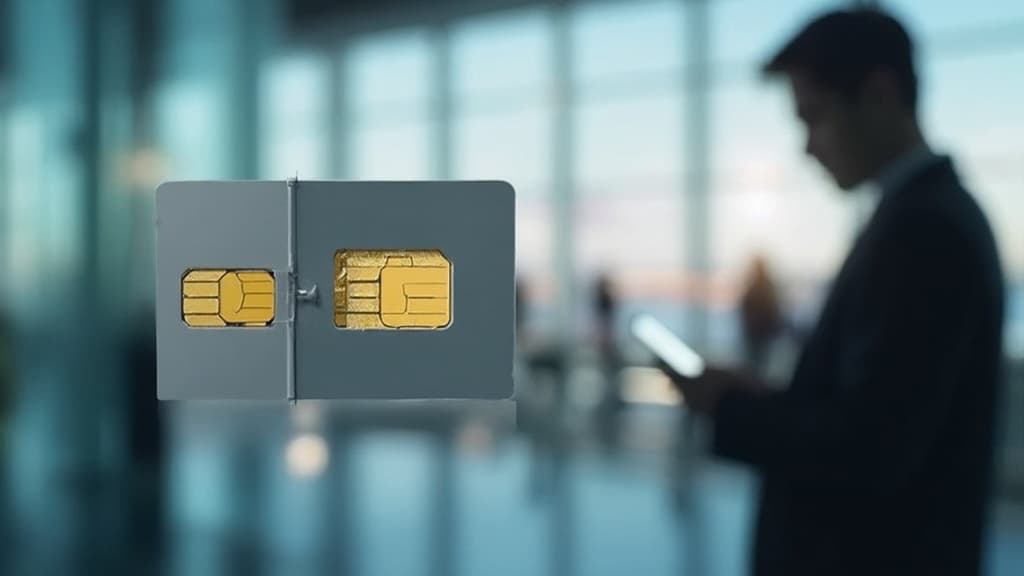
eSIM vs Physical SIM: Complete Comparison
As travelers increasingly seek seamless connectivity solutions, the debate between eSIM technology and traditional physical SIM cards has become more relevant than ever. This comprehensive comparison covers compatibility, cost, convenience, security, and travel-specific considerations to help you choose the best option for your needs.

How to Keep Your WhatsApp Number While Using a Travel eSIM in 2026
Wondering if a travel eSIM will change your WhatsApp number? Here is how to keep your existing WhatsApp account, avoid roaming charges, and use eSIM data smoothly while traveling in 2026.