eSIM vs Physical SIM: Complete Comparison
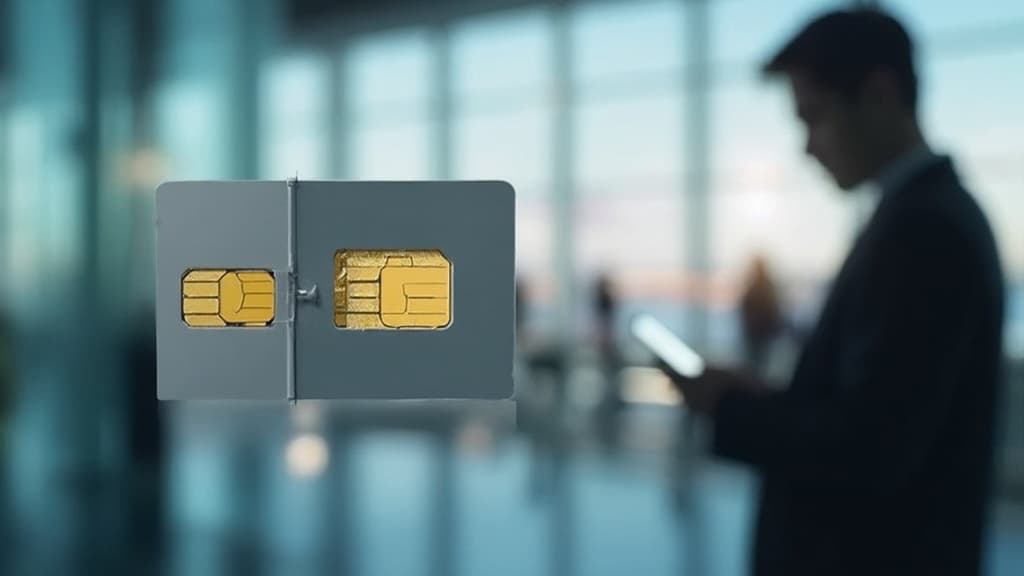
eSIM vs Physical SIM: Complete Comparison
Introduction
As travelers increasingly seek seamless connectivity solutions, the debate between eSIM technology and traditional physical SIM cards has become more relevant than ever. Both options have their merits, but understanding the differences can help you make the best choice for your travel needs.
What is a Physical SIM Card?
A physical SIM (Subscriber Identity Module) card is the small, removable chip that has been the standard for mobile connectivity for decades. It stores your subscriber information and must be physically inserted into your device's SIM tray.
Pros:
- Universally compatible with almost all mobile devices
- Easy to swap between devices
- No digital setup required
- Familiar technology for most users
Cons:
- Physically fragile and can be lost or damaged
- Requires carrying multiple cards for different countries
- Need to visit stores or wait for delivery when traveling
- Takes up physical space in your device
- Risk of damaging your device's SIM tray during insertion/removal
What is an eSIM?
An eSIM (embedded SIM) is a digital SIM that is built directly into your device's hardware. Instead of a physical card, you download and activate a cellular plan electronically.
Pros:
- No physical card to lose or damage
- Instant activation via QR code or app
- Ability to store multiple profiles on one device
- No need to visit stores or wait for delivery
- Saves physical space in devices
- Easier to switch between carriers and plans
- More environmentally friendly (no plastic waste)
- Enhanced security (cannot be removed if device is stolen)
Cons:
- Requires eSIM-compatible device (newer smartphones, tablets, wearables)
- Initial setup may be confusing for less tech-savvy users
- Not all carriers support eSIM yet
- Cannot transfer eSIM to another device as easily as physical SIM
- Limited availability in some regions
Device Compatibility
Physical SIM Compatibility
- Works with virtually any GSM phone manufactured in the last 20+ years
- No special requirements beyond having a SIM tray
- Compatible with basic phones, smartphones, tablets, and IoT devices
eSIM Compatibility
- Requires relatively recent devices:
- iPhone XS/XS Max/XR or newer (2018+)
- Google Pixel 3 or newer (2018+)
- Samsung Galaxy S20/S20+ or newer (2020+)
- Many newer iPads, Apple Watches, and Galaxy Watches
- Select laptops (Microsoft Surface Pro X, Lenovo Yoga 5G, etc.)
Cost Comparison
Physical SIM Costs
- SIM card itself: Usually free or minimal charge from carriers
- Replacement fees: $5-$25 if lost or damaged
- International roaming: Often expensive unless you purchase local SIMs
- Multiple SIM purchases: Need to buy separate cards for each country
eSIM Costs
- Activation: Often free or included in plan cost
- No replacement fees (digital)
- Competitive international data packages
- Ability to compare and switch plans easily
- Potential savings through local eSIM providers
Convenience Factor
Physical SIM Convenience
- Familiar process for most users
- Immediate use once inserted
- Easy to troubleshoot (remove and reinsert)
- Can be used in any compatible device immediately
eSIM Convenience
- Activate from anywhere with internet connection
- No need to carry multiple physical cards
- Switch between home and travel profiles instantly
- Manage multiple numbers on one device (personal/work/travel)
- No risk of losing tiny SIM cards
- Can set up before you even leave home
Security Aspects
Physical SIM Security
- Can be removed and used in another device if phone is stolen
- Vulnerable to SIM swapping attacks
- Physical theft possible
- No remote disabling capability
eSIM Security
- Cannot be removed without accessing device settings
- Protected by device passcode/biometrics
- Remote management capabilities
- More resistant to casual theft
- Still vulnerable to sophisticated social engineering attacks
Travel-Specific Considerations
For Short Trips (1-7 days)
- Physical SIM: May not be worth the hassle for short stays
- eSIM: Ideal - can activate before travel and use immediately upon arrival
For Long Stays (1+ months)
- Physical SIM: Better for getting local numbers and plans
- eSIM: Good option if you need to maintain home number simultaneously
For Multi-Country Travel
- Physical SIM: Requires purchasing new cards in each country
- eSIM: Many providers offer regional or global plans covering multiple countries
For Digital Nomads
- Physical SIM: Cumbersome to manage multiple country-specific cards
- eSIM: Perfect for switching between locations without physical card management
Environmental Impact
Physical SIM
- Plastic waste from SIM card production
- Packaging waste
- Transportation emissions for distribution
- Replacement cards create additional waste
eSIM
- No plastic card production
- Minimal packaging (usually just QR code)
- Reduced transportation needs
- Longer device lifespan (no SIM tray wear and tear)
The Future Outlook
Physical SIM Trajectory
- Gradually being phased out in favor of eSIM technology
- Will remain relevant for older devices and regions with limited eSIM support
- May become niche like CDMA technology did
eSIM Trajectory
- Rapid adoption by device manufacturers
- Increasing carrier support worldwide
- Expected to become standard in most new devices within 2-3 years
- Integration with emerging technologies (IoT, connected cars, wearables)
Making Your Choice
Choose Physical SIM If:
- You have an older device that doesn't support eSIM
- You frequently switch between very old and new devices
- You travel to regions with limited eSIM carrier support
- You prefer tangible, familiar technology
- You often share SIM cards with family members
Choose eSIM If:
- You have a relatively recent smartphone (2018+ iPhone, 2018+ Pixel, 2020+ Samsung)
- You value convenience and instant activation
- You travel frequently to multiple countries
- You want to maintain multiple numbers on one device
- You're environmentally conscious
- You appreciate not having to handle tiny physical cards
Hybrid Approach
Many travelers find success with a hybrid strategy:
- Keep your primary physical SIM in your device for your home number
- Use eSIM for travel data plans
- This gives you the best of both worlds: home connectivity plus local travel data
Conclusion
While physical SIM cards have served us well for decades, eSIM technology represents the future of mobile connectivity—especially for travelers. The convenience of instant activation, ability to store multiple profiles, and elimination of physical card management make eSIM particularly appealing for international travel.
However, the choice ultimately depends on your specific device, travel patterns, and personal preferences. As eSIM support continues to grow across devices and carriers worldwide, we're likely to see a gradual shift toward eSIM as the primary method of mobile connectivity, with physical SIMs becoming increasingly rare.
For most modern travelers with compatible devices, eSIM offers a superior experience that simplifies the connectivity aspect of travel, allowing you to focus more on enjoying your journey and less on managing SIM cards.
Meta Title: eSIM vs Physical SIM: Complete Comparison Guide for Travelers Meta Description: Discover the differences between eSIM and physical SIM cards for travel. Learn which option is better for your needs based on compatibility, cost, convenience, and security. Tags: ["eSIM", "travel", "connectivity", "SIM card", "digital nomad", "roaming"]
Related Articles

How to Optimize eSIM Roaming Costs for Digital Nomads
How to Optimize eSIM Roaming Costs for Digital Nomads Digital nomads love the freedom of staying connected worldwide, but roaming costs can quickly ad

Egypt eSIM Guide: Cairo to Red Sea
Discover how to stay connected while traveling from Cairo to the Red Sea with eSIM: tips, providers, and roaming hacks.
Southeast Asia eSIM Guide
Discover how to stay connected across Southeast Asia with the best eSIM options for travelers and digital nomads.