Spain eSIM Guide: Stay Connected from Barcelona to Madrid in 2026
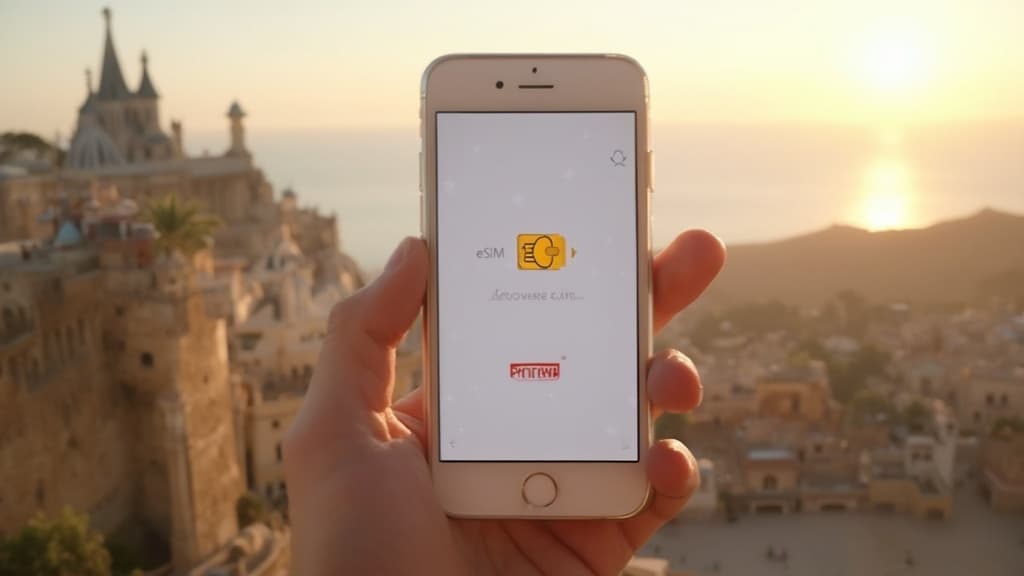
Spain eSIM Guide: Stay Connected from Barcelona to Madrid in 2026
Spain welcomes over 85 million tourists each year, making it one of the world's most visited countries. Whether you're exploring Gaudí's architectural masterpieces in Barcelona, enjoying tapas in Madrid, or relaxing on the beaches of Costa del Sol, staying connected is essential for navigation, translation, and sharing those incredible moments.
The good news? eSIM technology makes getting online in Spain easier than ever. No more hunting for SIM card shops at the airport or dealing with confusing local carrier plans.
Why Use an eSIM in Spain?
Skip the Airport Hassle
Arriving at Madrid-Barajas or Barcelona-El Prat after a long flight? The last thing you want is to wait in line at a mobile shop. With an eSIM, you can activate your Spanish data plan before you even board your flight.
Avoid Expensive Roaming
EU roaming regulations help European travelers, but if you're coming from outside the EU, roaming charges can be brutal. An eSIM travel plan typically costs 70-80% less than carrier roaming rates.
Keep Your Home Number
eSIM lets you add a Spanish data plan while keeping your regular SIM active. Receive important calls and texts on your home number while using affordable local data.
Instant Activation
No physical SIM to lose or damage. Scan a QR code, and you're connected in minutes.
Spain Coverage: What to Expect
Spain has excellent mobile coverage thanks to major carriers like Movistar, Vodafone, and Orange. Here's what you can expect:
Major Cities
- Barcelona: Excellent 5G coverage throughout the city, including metro stations
- Madrid: Comprehensive 5G network across the capital
- Valencia: Strong 4G/5G coverage in urban areas
- Seville: Reliable coverage in the historic center and modern districts
- Bilbao: Good coverage including the Guggenheim area
Tourist Areas
- Costa Brava: Good coverage in towns, may be spotty in remote coves
- Costa del Sol: Excellent coverage from Malaga to Marbella
- Balearic Islands (Mallorca, Ibiza, Menorca): Strong coverage in main areas
- Canary Islands: Good coverage on main islands, limited in remote volcanic areas
Rural & Mountain Areas
- Pyrenees: Coverage varies, major ski resorts have good signal
- Camino de Santiago: Coverage along main routes, gaps in remote sections
- Andalusian white villages: Generally good, some dead spots in valleys
How Much Data Do You Need?
Here's a rough guide based on travel style:
| Travel Style | Daily Usage | 7-Day Trip | 14-Day Trip |
|---|---|---|---|
| Light (maps, messaging) | 200-300 MB | 2 GB | 3-4 GB |
| Moderate (social media, photos) | 500 MB-1 GB | 5 GB | 8-10 GB |
| Heavy (video calls, streaming) | 2-3 GB | 15 GB | 25+ GB |
Pro tip: Download offline maps for Google Maps or Maps.me before your trip. This alone can save you 100+ MB daily.
Setting Up Your eSIM for Spain
Before You Go
- Check device compatibility: Most iPhones from XS onwards and recent Android flagships support eSIM
- Purchase your eSIM plan: Buy 24-48 hours before departure
- Save the QR code: Screenshot it or keep the email accessible offline
- Optional: Install and activate while on home WiFi to test
At Your Destination
- Connect to airport WiFi (free at Spanish airports)
- Go to Settings > Cellular/Mobile > Add eSIM
- Scan your QR code
- Label it (e.g., "Spain Travel")
- Set as primary data line
- Disable data roaming on your home SIM
Tips for Using eSIM in Spain
Data-Saving Strategies
- Use WiFi when available: Hotels, cafes, and many restaurants offer free WiFi
- Download content offline: Spotify playlists, Netflix shows, Google Maps areas
- Disable auto-updates: Turn off app updates over cellular
- Compress photos before uploading: Use apps like Google Photos to reduce upload size
Staying Connected on the Move
- AVE trains: Spain's high-speed trains have onboard WiFi, but eSIM is more reliable
- Metro systems: Barcelona and Madrid metros have good underground coverage
- Rental cars: Your eSIM works everywhere, no need for expensive car WiFi add-ons
Emergency Numbers
- 112: General emergency (works EU-wide)
- 091: National Police
- 062: Civil Guard
- 061: Medical emergencies
These work even without an active data plan.
Spain eSIM vs. Other Options
| Option | Pros | Cons |
|---|---|---|
| eSIM | Instant setup, keep home number, affordable | Requires compatible phone |
| Local SIM | Very cheap, local number | Airport queues, need unlocked phone |
| Pocket WiFi | Share with group, unlimited | Battery life, extra device to carry |
| Roaming | Zero setup | Expensive, bill shock risk |
Frequently Asked Questions
Will my eSIM work throughout Spain?
Yes, travel eSIMs connect to all major Spanish networks. You'll have coverage anywhere tourists typically go.
Can I top up if I run out of data?
Most eSIM providers offer easy top-up options through their app. Some plans also allow purchasing additional data packs.
Do I need an eSIM for the Canary Islands?
The Canary Islands are part of Spain, so your Spain eSIM works there. However, if you're only visiting the Canaries, a regional plan might offer better value.
What about Andorra?
Andorra is a separate country between Spain and France. Your Spain eSIM won't work there. If you're planning a day trip, consider a Europe-wide eSIM instead.
Can I use my eSIM for calls?
Most travel eSIMs are data-only. Use WhatsApp, FaceTime, or other VoIP apps for calls over data.
Best Time to Visit Spain (Connectivity Perspective)
While Spain is great year-round, consider these factors:
- Summer (June-August): Busiest period, networks handle the load well but beaches can be crowded
- Shoulder season (April-May, September-October): Ideal balance of weather and fewer tourists
- Winter: Ski resorts in Sierra Nevada and Pyrenees have dedicated coverage infrastructure
- Festival periods: La Tomatina, San Fermín, and other festivals may see network congestion
Ready to Get Connected?
Don't let connectivity stress ruin your Spanish adventure. With an eSIM, you can land in Spain and immediately start navigating to your hotel, translating menus, and sharing photos of that first plate of jamón ibérico.
The future of travel connectivity is here, and it fits right in your phone. ¡Buen viaje!
Last updated: March 2026
Related Articles
How to Activate eSIM on iPhone: Complete Setup Guide for 2026
Learn how to activate eSIM on iPhone in minutes. This 2026 guide covers compatibility, setup steps, troubleshooting, and travel tips for using eSIM abroad.
Singapore eSIM Guide 2026: Best Plans, Coverage, and Setup Tips for Travelers
Planning a trip to Singapore? This 2026 Singapore eSIM guide covers the best data plans, local network coverage, setup steps, and practical roaming tips for tourists and digital nomads.
How Much Data Do You Need for Travel eSIM? A Practical Guide for 2026
Not sure whether you need 1 GB, 5 GB, or unlimited travel eSIM data? This practical 2026 guide shows how much data maps, social media, streaming, and remote work actually use while traveling.